Source Double Seat Classic Citycoco E Scooter for Commuting, Leisure, and Delivery
Compare 30 double seat classic citycoco e scooter listings from verified Chinese manufacturers. Evaluate specifications including speed, battery capacity, and load capacity to find the right model for urban mobility or commercial delivery needs.
Key considerations
Products List


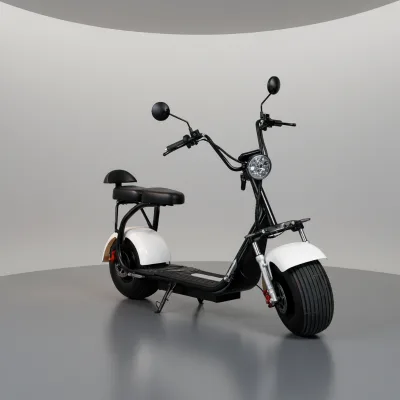


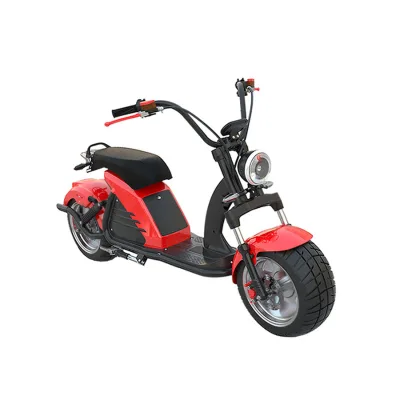
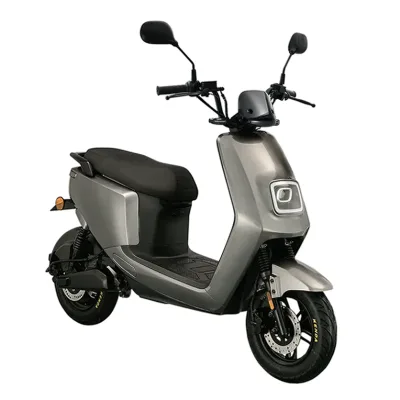


Comprehensive Sourcing Guide
Sourcing Strategy for Double Seat Classic Citycoco E-Scooters
The global market for electric mobility has expanded significantly, with the "Citycoco" style scooter emerging as a distinct category for urban and recreational transport. Specifically, the double seat variant offers a unique value proposition for buyers seeking shared mobility solutions, couple transport, or family-friendly electric vehicles. When sourcing a double seat classic citycoco e-scooter, buyers must navigate a complex landscape of technical specifications, regulatory compliance, and supply chain logistics. This guide provides a structured approach to evaluating potential suppliers and products, relying strictly on observed market data and verified product attributes to ensure a robust procurement strategy.
Technical Specifications and Performance Metrics
Understanding the technical architecture of a double seat electric scooter is the first step in defining procurement requirements. The core keyword "double seat" implies a specific frame geometry and load-bearing capacity that differs significantly from single-rider models. Based on observed product data, the frame material for these units is predominantly high-carbon steel or standard steel, selected for its durability and ability to support heavier loads. A critical observation in the current market is the load capacity; some units are engineered to support over 180 kg (396 lbs), while others in the vintage or classic category are rated for 150 kg. Buyers must verify the specific load rating of the model they intend to purchase, as the structural integrity of the frame is paramount for a two-person configuration.
Powertrain specifications vary widely depending on the model number and intended market. The motor power observed in the market ranges from 2000W to 4000W, with specific configurations like 2000W, 3000W, and 4000W units available. The voltage system is consistently observed at 60V, which is standard for high-performance electric scooters of this class. Battery technology is another critical variable; the majority of these units utilize lithium batteries, with capacities often listed as 20Ah, 30Ah, or 40Ah. It is important to note that some listings explicitly state the price excludes the battery, requiring buyers to clarify whether the quotation includes the energy storage unit.
Performance metrics such as speed and range are heavily dependent on the specific configuration and the "Based on Request" nature of many listings. Observed speed ranges include 40-45 km/h, 45-50 km/h, and up to 55 km/h. Similarly, the range per power charge is observed between 31 km and 60 km, with specific models citing a range of 45-50 km. The braking system is a vital safety component; the market standard for these double-seat units often includes dual disc brakes or front and rear disc brakes to manage the increased momentum of two riders. Suspension systems are also varied, with some models featuring hydraulic front suspension paired with spring airbag rear suspension to ensure ride comfort over uneven surfaces.
Compliance and Certification Verification
Navigating the regulatory landscape is essential for importing electric scooters, as non-compliant products can lead to customs seizures or legal liabilities. The certification landscape for these vehicles is diverse, with observed certifications including CE, EEC, COC, ISO, EN, EPA, and CQC. The presence of multiple certifications in a single listing, such as "CE, EEC, ISOCOC" or "COC, EPA, CQC, ISO, ENEEC, CE," indicates a product that may be marketed for multiple jurisdictions. However, buyers must exercise caution; the presence of a certification label does not automatically guarantee that a specific batch of goods holds valid, current certification.
The "CE" mark is frequently observed, but it must be verified against the specific directives applicable to the destination market. For European markets, the EEC (European Economic Community) and COC (Certificate of Conformity) are particularly relevant for road-legal vehicles. In the United States, EPA certification may be required depending on the classification of the vehicle. Buyers should request valid test reports and certificates of conformity for the specific model number, such as HSH-003, HSH-004, HSH-007, HSH-005, or HSH-001, rather than relying on generic claims. The "Vintage Motorcycle" classification observed in some listings suggests that certain models may be subject to motorcycle regulations rather than standard e-scooter rules, which significantly impacts insurance, licensing, and road legality.
Cost Drivers and Pricing Structure
The pricing of double seat classic citycoco e-scooters is influenced by several factors, including motor power, battery capacity, and the inclusion of accessories. The observed price range in the market is broad, spanning from $49 to $1,200. This wide variance often reflects differences in component quality, the inclusion of the battery, and the specific model configuration. For instance, a listing explicitly stating "Price without battery" indicates that the base unit cost is lower, but the total cost of ownership will increase once the energy storage is added.
Other cost drivers include the packaging method and shipping logistics. Some models are packed in standard carton boxes, while others utilize iron racks and cartons for enhanced protection during transit. The single package size can be substantial, with dimensions observed up to 192x37x86 cm, and the single gross weight can reach 68.000 kg. These physical attributes directly impact freight costs, which can be a significant portion of the total landed cost. Buyers should also consider the Minimum Order Quantity (MOQ), which ranges from 1 to 65 units. Lower MOQs may offer flexibility for testing the market but often come with a higher per-unit cost, whereas higher volumes may secure better pricing but require greater capital commitment.
Typical Applications and Use Cases
The double seat configuration of the classic citycoco e-scooter opens up specific application scenarios that differ from standard single-rider electric vehicles. The primary use case is recreational transport for couples or friends, leveraging the "Vintage Motorcycles" aesthetic to provide a stylish mode of travel. The robust frame and suspension systems observed in models like the HSH series suggest suitability for mixed terrain, including paved city streets and light off-road paths.
In commercial applications, these vehicles can serve as rental units for tourism or short-distance urban transport. The high load capacity of over 180 kg makes them viable for carrying two adults comfortably, provided the speed and range meet the operational requirements. However, the "Vintage" classification and specific speed ratings (e.g., 40-45 km/h) mean that buyers must ensure the vehicle complies with local traffic laws regarding speed limits and road access. The 1-year warranty for main parts is a standard offering that supports long-term reliability for commercial operators, but the warranty terms must be clearly defined in the purchase agreement.
Supplier Evaluation and Origin Analysis
When evaluating suppliers, the place of origin is a key indicator of manufacturing capability and supply chain maturity. The observed data points to Yongkang, China, and Zhejiang, China, as primary production hubs for these vehicles. These regions are known for their concentration of electric vehicle manufacturers and a mature supply chain for components like motors, batteries, and steel frames. Buyers should verify the specific factory location and request a facility audit if possible.
Supplier reliability can be assessed through their product documentation and communication. The presence of detailed model numbers (e.g., HS1-HS2, HSH-001 through HSH-007) and specific technical attributes like "18 Tube" controllers or specific tire sizes (F: 13 inch / R: 17 inch) indicates a supplier with a structured product line. However, buyers must distinguish between high-confidence facts and low-confidence background information. For example, while "CE" is a common observation, the specific validity and scope of that certification must be confirmed. Suppliers should be able to provide a complete specification sheet that matches the observed attributes, including the charging time of 4-6 hours and the specific battery voltage of 60V.
Quality Control and Inspection Protocols
Implementing a rigorous quality control (QC) protocol is essential to mitigate risks associated with manufacturing variability. Given the diversity of observed specifications, a "one-size-fits-all" QC approach is insufficient. Buyers should focus on critical safety components, particularly the braking system (dual disc or front and rear disc), the suspension integrity (hydraulic front and spring airbag rear), and the structural stability of the high-carbon steel frame.
Inspection should also cover the electrical system, verifying that the motor power (2000/3000/4000W) matches the order specifications and that the battery connections are secure. The "Price without battery" attribute highlights the need to inspect the battery separately if it is sourced or assembled locally. For units with a gross weight of 68.000 kg, packaging integrity is crucial; the use of iron racks and cartons should be verified to ensure the product arrives without damage. Testing the speed and range under load conditions is also recommended, as the observed ranges (31-60 km) and speeds (40-55 km/h) are often "based on request" and may vary based on rider weight and terrain.
Long-Term Procurement and After-Sales Considerations
Long-term procurement success depends on the availability of spare parts and the clarity of warranty terms. The standard warranty observed is 1 year for main parts, which covers critical components like the motor, controller, and battery. Buyers should clarify what constitutes a "main part" and whether the warranty covers labor costs or only replacement parts. The availability of specific components, such as the 18-tube controller or specific tire sizes, should be confirmed to ensure that maintenance can be performed without significant downtime.
Lead times and production capacity are also critical factors. While specific lead times are not provided in the observed data, the MOQ range of 1-65 suggests that suppliers may have varying production schedules. Buyers should establish clear communication channels for order tracking and expect potential delays if customizations are requested, as the "Customization: Available" attribute indicates that many orders may involve bespoke configurations. Finally, buyers should consider the total cost of ownership, including the cost of battery replacement after the warranty period and the potential need for specialized maintenance for the vintage-style components. By carefully analyzing these factors, buyers can build a sustainable supply chain for double seat classic citycoco e-scooters that meets both immediate operational needs and long-term strategic goals.
FAQs
What certifications do double seat classic citycoco e scooters have?
These scooters typically carry CE, EEC, COC, ISO, EPA, and CQC certifications. Buyers must verify specific certificates for the model number like HSH-003 or HSH-004 to ensure compliance with destination market regulations before purchasing.
How much load capacity do these double seat scooters support?
Observed models support loads ranging from 150 kg to over 180 kg. The high-carbon steel frame is designed to safely carry two riders, but the exact limit depends on the specific model configuration and manufacturer specifications.
Which motor power options are available for these electric scooters?
Motor power options include 2000W, 3000W, and 4000W configurations. These units operate on a 60V system and offer speeds between 40 km/h and 55 km/h depending on the specific request and battery setup.
Can buyers customize the battery capacity for these scooters?
Yes, customization is available for battery capacities such as 20Ah, 30Ah, or 40Ah. Some listings may quote prices without the battery, so buyers should confirm if the energy storage unit is included in the final cost.
What is the warranty coverage for main parts on these scooters?
The standard warranty covers main parts for one year. This protection applies to critical components like the motor and controller, but buyers should clarify if labor costs are included in the warranty terms.
How long does it take to charge the lithium battery?
Charging time typically ranges from 4 to 6 hours for a full charge. This duration applies to the 60V lithium battery systems found in most double seat classic citycoco models listed in the market.